

Is your bedwetting a type of Parasomnia?
Some children who wet the bed at night may actually be experiencing a form of parasomnia — a sleep disorder that disrupts waking to bladder signals.

Still Bedwetting in Your 20s? It’s Not Too Late to Change This
Still experiencing bedwetting in your twenties? You are not alone. Discover why this pattern can continue into adulthood.

Keeping a Journal can help solve bedwetting
Keeping a simple journal can reveal patterns, triggers and habits that contribute to bedwetting.

Understanding the emotional side of bedwetting
Bedwetting isn't only a physical issue; it carries a heavy emotional weight for many children.

Alcohol and Bedwetting: Why night-time wetting can return after drinking
Bedwetting after drinking alcohol can feel discouraging, particularly when you thought the problem had gone away for good.

Bedwetting at Boarding School
Starting boarding school can be exciting, but for a child or teenager who wets the bed, it may also feel frightening. Their greatest worry is often not the bedwetting itself. It is the possibility that another pupil will discover it.

Talking to School about bedwetting
Bedwetting is deeply private, particularly for an older child or teenager. It is therefore very common for a child to say: 'Please don't tell the school'.

Bedwetting and relationships
Beginning a new relationship can feel exciting, but if you wet the bed, it may also bring a growing sense of anxiety.

Is toothpaste making your child’s bedwetting worse?
Some toothpastes contain ingredients that can irritate a child's bladder, making night-time wetting more likely.

Managing the Christmas holidays with a bedwetting child or teen
The Christmas holidays can be stressful for children who struggle with bedwetting.
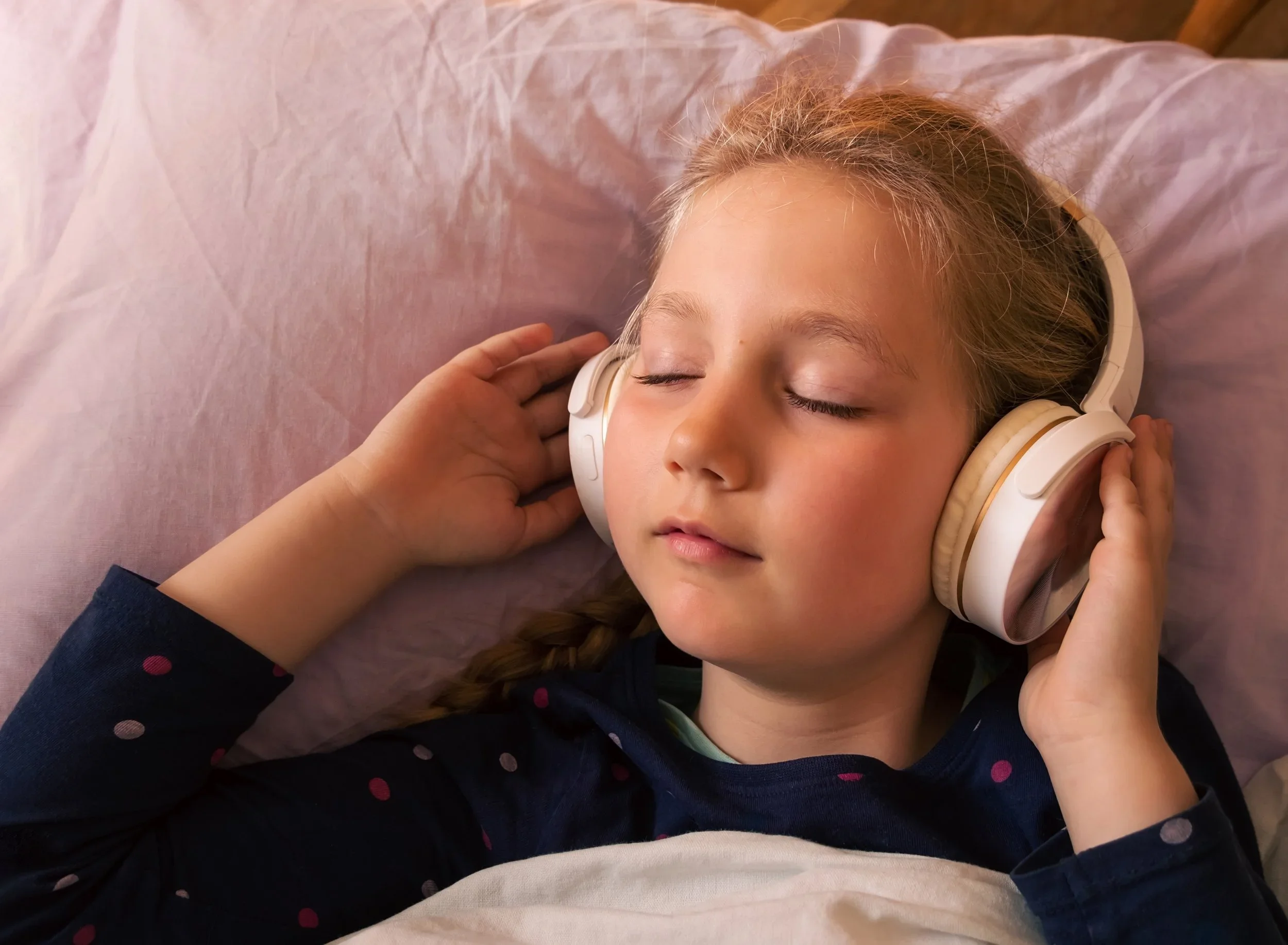
Hypnotherapy for children
Hypnotherapy offers children a gentle, effective way to manage anxiety, build confidence and overcome unhelpful habits.

The No. 1 reason parents fail to solve bedwetting
Parents often try everything to stop bedwetting, but many of the real causes lie beyond a child's conscious control.

How mouth-breathing habits contribute to bedwetting
Many children who struggle with bedwetting also show signs of mouth-breathing, a habit that disrupts sleep quality.
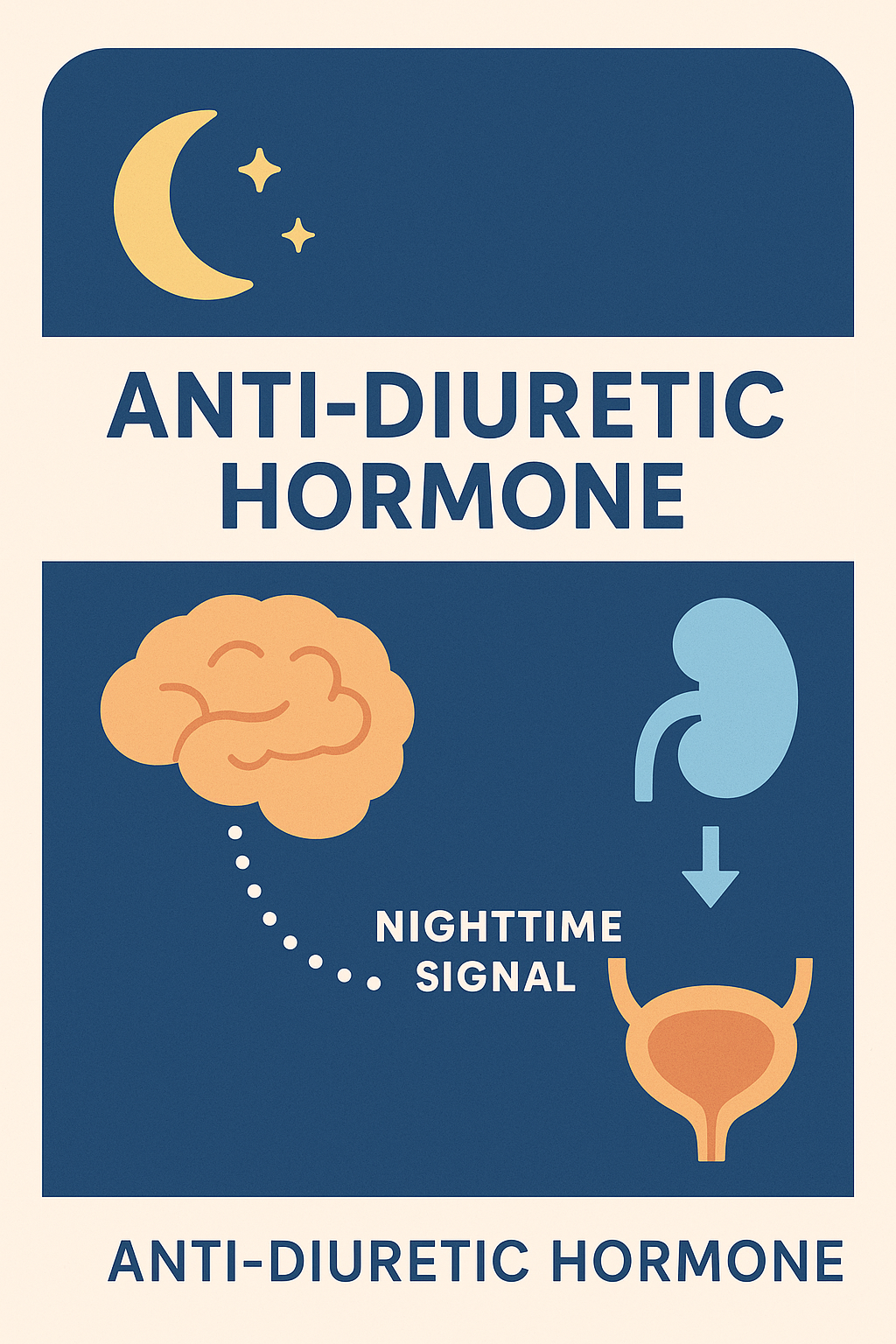
Improving production of the Anti-Diuretic Hormone naturally
A lack of the anti-diuretic hormone Vasopressin can be a cause of your child's bedwetting. It's possible to increase production naturally.
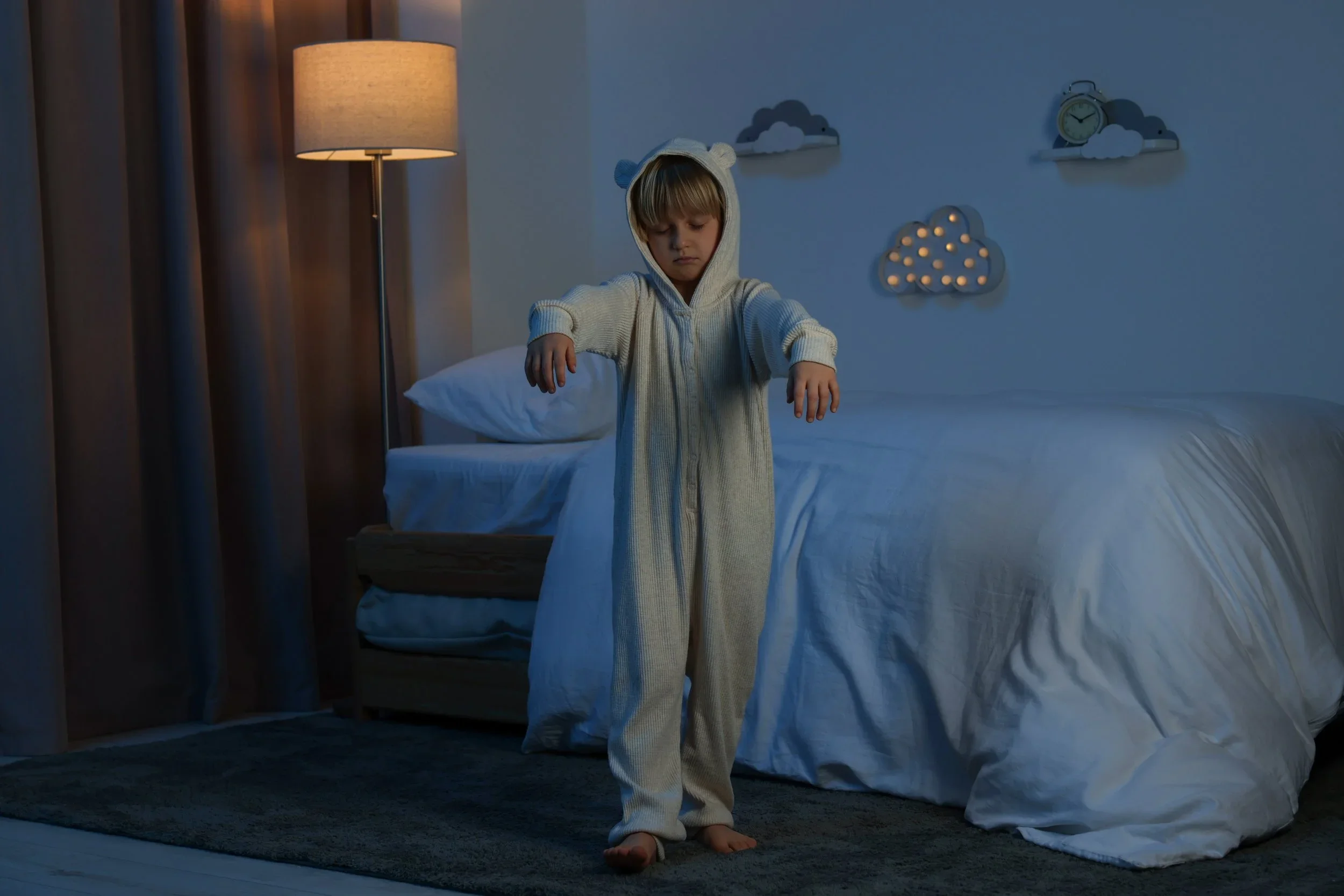
Nightmares, night terrors and sleepwalking
Night-time fears can take many forms, from vivid nightmares to sudden night terrors and episodes of sleepwalking.

How 10-year old Hannah solved her bedwetting problem.
Hannah's story shows that bedwetting isn't a sign of laziness — it's a developmental challenge that can be overcome.

How bedwetting can impact mental health.
Bedwetting can take a quiet toll on a child's confidence, often leaving them feeling embarrassed, anxious or different from peers.

Bedwetting Survey Results
Understanding what parents have tried — and what actually works — is key to solving bedwetting.
Is deep sleeping the cause of bedwetting?
Deep sleep is often blamed for bedwetting, but the real story is more nuanced.

Is Medication for Bedwetting the Answer?
Medication can feel like a quick fix for bedwetting, but it's rarely the whole solution.