

Is your bedwetting a type of Parasomnia?
Some children who wet the bed at night may actually be experiencing a form of parasomnia — a sleep disorder that disrupts waking to bladder signals.

Understanding the emotional side of bedwetting
Bedwetting isn't only a physical issue; it carries a heavy emotional weight for many children.

The No. 1 reason parents fail to solve bedwetting
Parents often try everything to stop bedwetting, but many of the real causes lie beyond a child's conscious control.

How mouth-breathing habits contribute to bedwetting
Many children who struggle with bedwetting also show signs of mouth-breathing, a habit that disrupts sleep quality.
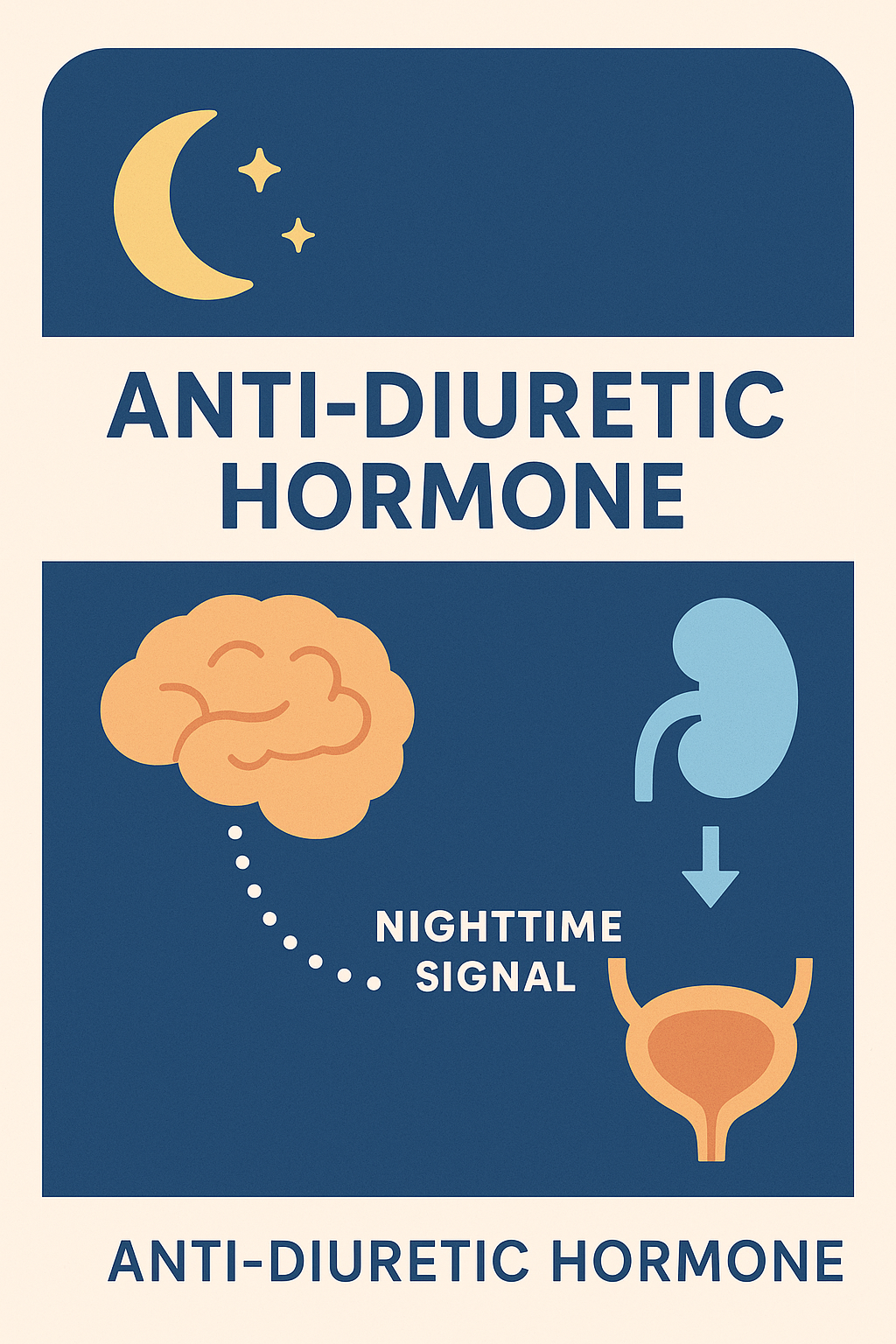
Improving production of the Anti-Diuretic Hormone naturally
A lack of the anti-diuretic hormone Vasopressin can be a cause of your child's bedwetting. It's possible to increase production naturally.
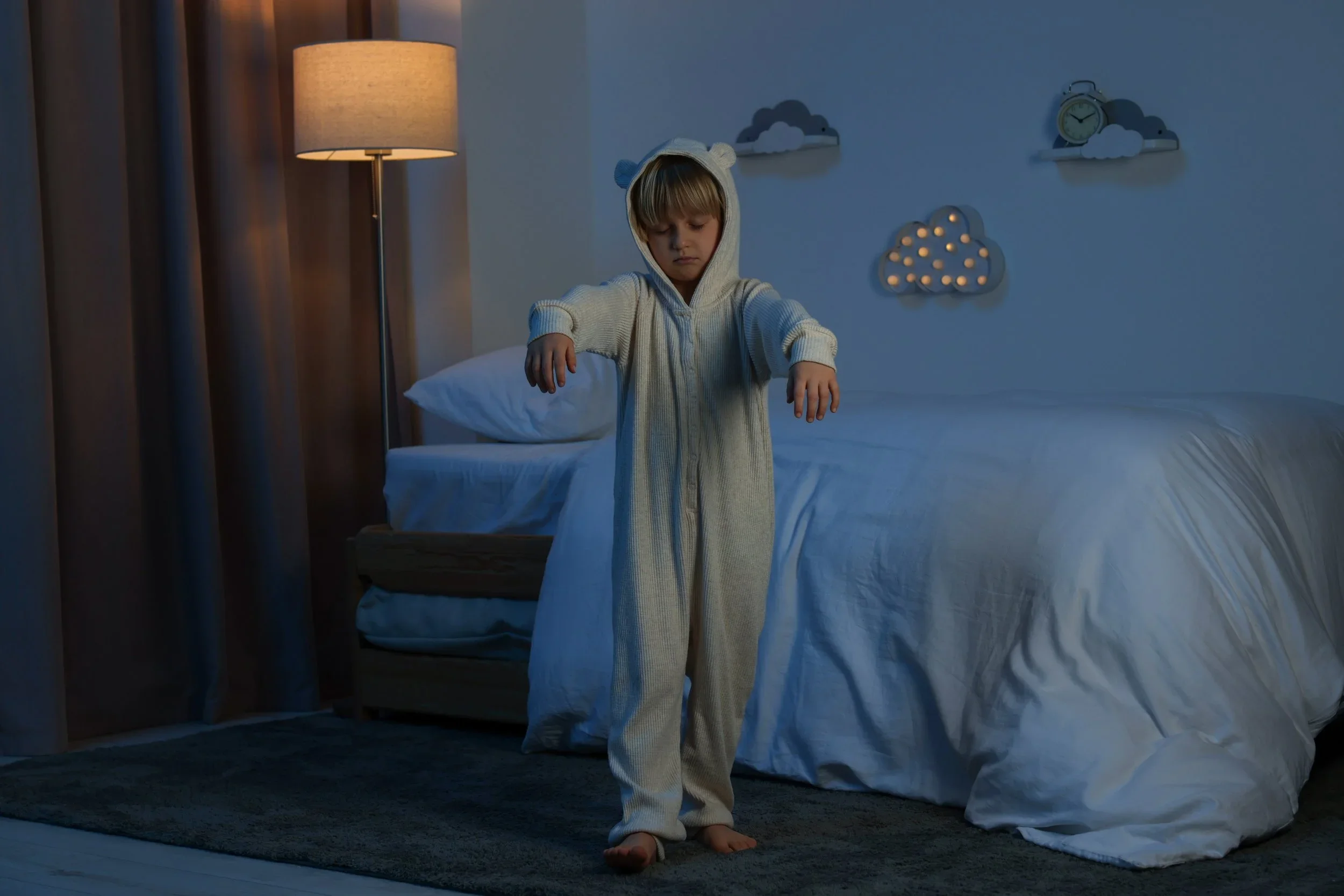
Nightmares, night terrors and sleepwalking
Night-time fears can take many forms, from vivid nightmares to sudden night terrors and episodes of sleepwalking.

How bedwetting can impact mental health.
Bedwetting can take a quiet toll on a child's confidence, often leaving them feeling embarrassed, anxious or different from peers.

Bedwetting Survey Results
Understanding what parents have tried — and what actually works — is key to solving bedwetting.
Is deep sleeping the cause of bedwetting?
Deep sleep is often blamed for bedwetting, but the real story is more nuanced.

Is Medication for Bedwetting the Answer?
Medication can feel like a quick fix for bedwetting, but it's rarely the whole solution.

At what age should a child stop wetting the bed?
Discover what is normal at different ages, when to seek help and why you don’t always have to wait for your child to grow out of bedwetting.
ADHD and bedwetting
If your child has ADHD and is still wetting the bed, you may have wondered whether the two things are connected. The short answer is: yes, they can be.

Why do some children wet the bed?
Bedwetting is far more common than most parents realise, and it usually has nothing to do with laziness or poor habits.

Can certain foods and drinks cause bedwetting?
Certain foods and drinks can make bedwetting more likely, especially those that irritate the bladder or increase urine production.
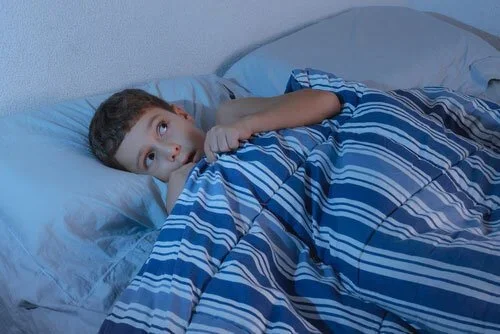
Anxiety and bedwetting
Anxiety can play a role in bedwetting, but it's rarely the sole cause. Understanding how stress, sleep patterns and bladder development interact can help parents respond with calm, confidence and the right kind of support.

Constipation and bedwetting
Can Constipation Cause Bedwetting? Yes – and this is one of the first things worth checking if your child wets the bed.

Autism and bedwetting
Children develop bladder control at different rates, but for some autistic children there can be additional factors that make becoming dry at night more difficult.

Is bedwetting hereditary?
Bedwetting often feels mysterious, but genetics can play a surprisingly strong role. Understanding how family history, sleep patterns and bladder development interact can help parents respond with reassurance, patience and the right kind of support.